Tampilkan postingan dengan label with. Tampilkan semua postingan

Minggu, 20 Agustus 2017

How to cope with panic attacks panic disorder


1. Take your anxiety with you..........feel those sensations, knowing they are NOT a disease that will harm you/kill you. Learn to rebreathe into a paper bag, because most of the dizzy/light headed sensations are because of oxygen/carbon dioxide imbalance....rebreathing into a paper bag helps this or breathing slowly in through your nose and out through your mouth.

2. Eat small regular meals, every 2/3 hrs. When we dont eat for a while, sugar levels are effected, and eventually adrenaline is released...causing more panic.

3. Get into a bedtime routine of...no caffine after 6pm, a warm bath, good book, bedroom nice temperature, and use music on low to help you drift off.

4. Try aromatherapy oils such as Lavender, or Neroli. A few drops in your palms, rub together, inhale. Use also as a massage in olive oil.

5. Read read read......by fully understanding panic and anxiety, you will be able to come to terms with it. Knowledge is the key.

6. DONT STOP going out to work or out socially. Your panic WANTS to control you, dont let it. Feel it, but go about your day.

7. See your GP, because medication can be of great help. Try counselling through the NHS or privately. Bach rescue remedy helps some people.

8. Talk to family and friends or post on panic forums to other sufferers.

9. Never give up.

10. Dont drink too much alcohol, it never helps anxiety.

11. Get some fresh air everyday, half an hour is fine.


This was taken from a forum I read on http://www.nomorepanic.co.uk/ posted by a 'Paula Lynne' I found this most useful& hope it will also help you too.

Sabtu, 19 Agustus 2017

More Cutting Edge but With an Amazingly Dull Knife Research


As I did on my posts of November 30, 2011,  October 2, 2012,September 17, 2013June 3, 2014, February 24, 2015, December 15, 2015, and September 13, 2016, it’s time once again to look over the highlights of the latest issue of one of my two favorite psychiatry journals, Duh! and No Sh*t, Sherlock. We'll take a look at the unsurprising findings published in the latest issue of the former. My comments are in bronze.

As I pointed out in those earlier posts, research dollars are very limited and therefore precious. Why waste good money trying to study new, cutting edge or controversial ideas that might turn out to be wrong, when we can study things that that are already known to be true but have yet to be "proven"? Such an approach increases the success rate of studies almost astronomically. And studies with positive results are far more likely to be published than those that come up negative.

Clinical Psychiatric News article, June, 2016Data from a longitudinal study reported at the World Congress on Osteoarthritis show that weight gain in young women is an independent predictor of future low back pain. Well, maybe their backs would do better if they carried around a sack of bricks slung over their shoulders 24 hours a day.

7/21/16. Apparently these researchers don't watch the evening news.Addiction To Prescription Opioids May Be Tied To Creation Of Market For Cheaper, Potent Heroin, Analysis Suggests. The Washington Post (7/20, Humphreys) “Wonkblog” reports that the relationship between restricting access to prescription opioids and increasing heroin use is more complicated than some critics of the Comprehensive Addiction and Recovery Act believe, according to a systemic analysis of the matter that was published in the New England Journal of Medicine. The analysis was led by the National Institute on Drug Abuse’s Wilson Compton who says that restricting access to prescription opioids does not automatically increase heroin use, but that having many people addicted to prescription opioids may be tied to the creation of a market for cheap, potent heroin that appeals to people addicted to prescription opioids, which may explain the increase in heroin use in recent years.


7/21/16.  And these researchers apparently don't get out much. Alcohol Intoxication Increases Aggression While Cannabis Use Reduces Such Feelings, Study Finds. The Washington Post (7/20) reports research published in the journal Psychopharmacology suggest “alcohol intoxication increased subjective aggression” while those who smoke marijuana “became less aggressive when they were high.” Researchers concluded that the “results in the present study support the hypothesis that acute alcohol intoxication increases feelings of aggression and that acute cannabis intoxication reduces feelings of aggression.” The findings are in line with other research.


7/25/16. People exposed to addictive substances found to have higher chance of getting addicted to them. Greater Pain Found to Increase Risk of Opioid Use Disorder.Researchers have long suspected that the level of pain experienced by a patient may increase his or her risk of developing an opioid use disorder. A study in AJP in Advance has for the first time taken a prospective look at this link, revealing a significant association between pain and prescription opioid use disorder at baseline and three years later. The researchers found that people with moderate or severe pain had a 41 percent higher risk of developing prescription opioid use disorders than those without, independent of demographics or other potential contributing factors. Males, younger adults (of either gender), and those with a family history of antisocial personality disorder were also found to be more likely to develop opioid use disorder.
8/2/16. Being sedentary bad for the heart? Who knew? Watching TV longer increases risk of fatal blood clot, study finds. The New York Times (8/1, Bakalar) reports a new study published in the journal Circulation by Japanese researchers analyzing “86,024 generally healthy people who filled out questionnaires with items about health and lifestyle, including time spent watching television,” found that more time watching television increases the risk for a fatal blood clot. Researchers estimated that, after adjusting for other factors, “watching for two and a half to five hours increased the risk for a fatal clot by 70 percent, and watching more than five hours increased the risk by 250 percent,” compared to watching for less than two and half hours each day.


8/2/16. Less serious disorders found to have better prognosis. Predictors of outcomes in outpatients with anorexia nervosa: Results from the ANTOP study. Psychiatry Research, 08/01/2016  Clinical Article. Wild B, et al. – Researchers explored the factors that may predict outcomes in outpatients with anorexia nervosa (AN). They concluded that better outcome was achieved in those who had a higher baseline BMI [Body Mass Index] and shorter illness duration.


8/24/16.  Traumatic brain injuries seen in many domestic assault survivors. The AP (8/23, Tanner) reports that, according to the Centers for Disease Control and Prevention, “about one-quarter of U.S. women and 14 percent of men have experienced severe physical assaults by a partner in their lifetime, including hitting, punching, being slammed against something hard or pushed down stairs.” Meanwhile, according to a research review published this year in the journal Family & Community Health, “head and neck injuries are among the most common, and data suggest that domestic assaults may cause traumatic brain injuries in at least 60 percent of survivors.” Being assaulted can lead to head trauma! OH NO!

9/6/16. Taking care of someone who can't tell you what's wrong should be a breeze! Relatives Who Care For Patients With Dementia Often Experience Frustration Due To Poor Communication, Study Suggests. The Washington Post (9/4, Bluth) reported relatives who care for patients with advanced dementia often experience difficulty because they can no longer communicate with their loved ones, according to a study published in the American Journal of Alzheimer’s Disease & Other Dementias. Researchers found that many family caretakers were often frustrated with their relatives with dementia because they could no longer communicate what they needed or when they were in pain.


9/16/16. But what about all those codgers I see running out on the streets? Many older US adults are physically inactive, CDC study finds. The CBS News (9/15, Welch) website reports, “More than a quarter of Americans age 50 and older do not move beyond basic everyday activities,” research indicates. TIME (9/15, Oaklander) reports that according to an “analysis of 2014 surveillance data, 28% of Americans ages 50 and over are inactive – meaning that 31 million adults are moving no more than necessary to perform the most basic functions of daily life.” HealthDay (9/15, Dotinga) reports that such inactivity increases the risk for “heart disease, diabetes, and cancer,” researchers from the CDC’s Physical Activity and Health Branch found. What’s more, “the older Americans get, the less exercise they get,” investigators found. “Thirty-five percent of people aged 75 and older were inactive, as were 27 percent of those between 65 and 74, and 25 percent of those aged 50 to 64,” the study revealed. 

12/13/16. Risk For Opioid Relapse May Be Lower After Voluntary Treatment Than After Compulsory Treatment, Small Study Indicates. Healio (12/12, Oldt) reports patients “with opioid dependence who were treated in compulsory drug detention centers were significantly more likely to relapse after release than those treated with methadone in voluntary drug treatment centers,” researchers found after conducting “a parallel, two-arm, prospective observational study of individuals with opioid dependence treated in Malaysia.” The findings of the study, which included 184 participants, were published online Dec. 7 in The Lancet Global Health. The author of an accompanying editorial observed that the study findings “provide solid evidence in support of an urgent need to expand availability of, and access to, evidence-based voluntary drug-dependence treatment approaches to all individuals affected by drug dependence.” Because motivation for treatment is irrelevant to its success.


12/12/16. Pain is associated with poorer grades, reduced emotional well-being, and attention problems in adolescents The Clinical Journal of Pain, 12/12/2016  Clinical Article  - Voerman JS, et al. – Findings imply that the association between pain and Dutch adolescents grades is intervened by reduced emotional well–being and attention problems. The association between pain and math grades is mediated by emotional problems. The outcomes recommend that an intervention targeted at the pain in adolescents could have a positive effect on their emotional well–being, attention, and school performance. What a shock!Being in pain has effects on your emotional and cognitive functioning.


2/21/16. Impact of somatic severity on long-term mortality in anorexia nervosa 
Eating and Weight Disorders - Studies on Anorexia, Bulimia and Obesity, 12/21/2016  Clinical Article, Stheneur C, et al. – The present study sought to survey whether time in somatic intensive care unit, justified by a patient’s somatic condition in the course of hospital care, has any association with patient outcome in terms of mortality in the long term. The findings suggest that the clinical seriousness of the somatic condition during hospitalisation for AN is a risk factor for excess mortality in the medium term. In the present study, 195 patients were hospitalised for AN between April 1996 and May 2002, 97 were re-assessed 9 years later on average. Researchers observed that out of 195 patients hospitalised for AN between April 1996 and May 2002, 29 had required transfer to intensive care. Findings revealed that mortality at 9 years was 20 times higher in the group having been transferred to intensive care, irrespective of the duration of follow-up.  You mean, the sickest patients had the worst prognosis? How can that be?

Impaired Social Functioning Appears To Be Most Common In Schizophrenia, Study Indicates.

Healio (1/4, Oldt) reports that among people “with schizophrenia spectrum disorders, major depressive disorder with psychosis and bipolar disorder with psychosis, impaired social functioning was most common in schizophrenia,” researchers found in a study including “individuals with schizophrenia spectrum disorders (n = 269), major depressive disorder with psychosis (n = 77), bipolar disorder with psychosis (n = 139), and a comparison group without psychotic disorders.” Participants were followed for 20 years. The findings were published online Dec. 16 in the American Journal of Psychiatry, a publication of the American Psychiatric Association. Have these people ever even been to a psychiatric ward?

1/11/17. And here we thought booze was a cure all: Using Alcohol To Deal With Unpleasant Memories May Worsen Certain Mental Health Conditions, Mouse Study Indicates. The New York Daily News (1/10, Jagannathan) reports that instead of easing the pain of “distressing memories,” alcohol may “actually make it more difficult to cope with distressing memories,” researchers found.  Medical Daily (1/10, Dovey) reports that using alcohol as a coping mechanism “to deal with unpleasant memories...doesn’t work, and may actually worsen certain mental health conditions, such as” post-traumatic stress disorder (PTSD), researchers found. Working with mice, investigators found that “alcohol consumption did not help to ease fearful emotional memories, and may have strengthened them.”

1/23/17. Because no one ever drinks to forget. Spousal Loss Found to Increase Risk of Alcohol Use Disorder.  Spousal loss due to divorce or death appears to be associated with an enduring risk of alcohol use disorder (AUD), but remarriage may help to reduce this risk, according to a study published today in AJP in Advance. “The pronounced elevation in AUD risk following divorce or widowhood, and the protective effect of both first marriage and remarriage against subsequent AUD, speaks to the profound impact of marriage on problematic alcohol use and the importance of clinical surveillance for AUD among divorced or widowed individuals,” lead author Kenneth Kendler, M.D., of Virginia Commonwealth University and colleagues wrote.  And on a related note: Getting A Divorce May Increase The Risk Of Developing An Alcohol Use Disorder For Both Genders, Study Indicates. Medscape (1/26, Anderson) reports, “Getting a divorce increases the risk of developing an alcohol use disorder (AUD) by more than sevenfold for women and almost sixfold for men,” researchers found after identifying and then following “942,366 individuals born in Sweden between 1960 and 1990 who were married and residing with their spouse in or after 1990 and who had no AUD prior to marriage.” The findings were published online Jan. 20 in the American Journal of Psychiatry, a publication of the American Psychiatric Association.


1/24/17. Stress and anxiety were always thought to be totally unrelated. Stress Of Managing Breast Cancer Care May Provoke Symptoms Of Anxiety In Partners, Caregivers, Study Suggests. HealthDay (1/23, Thompson) reports that research suggests “the stress of managing breast cancer care provokes symptoms of anxiety in more than 42 percent of partners and caregivers.” Investigators found that “this stress-induced anxiety can last years after their loved one’s illness.” Investigators came to these conclusions after surveying “289 partners of patients diagnosed with breast cancer at age 40 or younger.” The findings are scheduled to be presented at a meeting of the American Society for Clinical Oncology. 


A Lancet study reports that deprivation and neglect in early childhood can have a lasting psychological effect into adulthood. Using findings from a study that assessed children adopted from Romanian institutions into families in the United Kingdom, The Lancet reports that deprivation and neglect in early childhood can have a lasting psychological effect into adulthood.

Jumat, 11 Agustus 2017

Herbal treatment for dogs with anxiety


Herbal treatment for dogs with anxiety will be fad from the present widely used articles and other content, we all know in the evaluation from the internet search engine so you can make available best data we tend to make an effort to look for imagery connected with typically the Herbal treatment for dogs with anxiety . along with the effects you will observe underneath please be aware a few of the photos is probably a strong example of this.

Some images on Herbal treatment for dogs with anxiety


7 natural remedies for anxious dogs MNN - Mother Nature Cat Anxiety Home Remedies Best Home Design And Dog Hypothyroidism herbal remedies treatment Herbal Dog Herbal Dog Kennel Cough Remedy Throat Gold Herbal Dog Sciatica Pain/ Lower Back pain Knee/Shoulder/Hip/Spinal All natural mange, flea and rashes remedy for dogs and

Herbal treatment for dogs with anxiety - this has happen to be uploaded along with the expectancy which specifically we're able to comfortably in fact entice implemented towards families. This text are able to help being useful resource if you are puzzled to choose the proper information This Herbal treatment for dogs with anxiety content articles may just be your own preference to remain utilized on their work schedule, the way it possesses its very own approach will probably think far more content Herbal treatment for dogs with anxiety - Worthwhile for your needs accordingly everyone are trying to look for a stable reference which will will assist you to locate ideas with out distress. do remember for you to book mark this page, since probably some day you will want the idea rear simply because ones own inspirational options.


Senin, 31 Juli 2017

Anxiety treatment with xanax


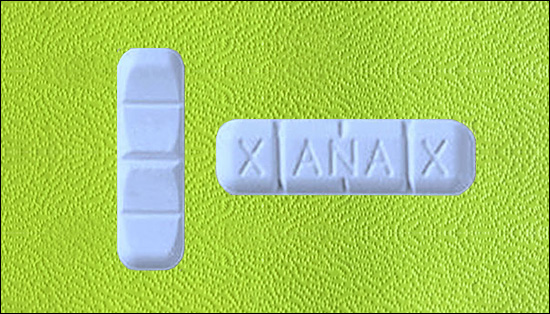
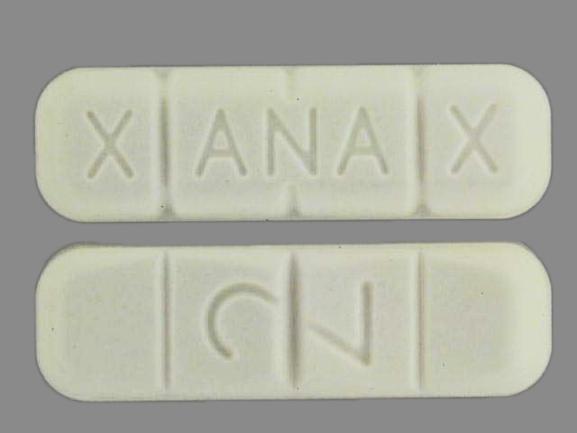
In this posting nearly everybody would enable go for a advantageous benchmark dependant on exploration in up-to-date articles and reviews Anxiety treatment with xanax prospect chat in this many different shoppers just who discover a method to require them all. in reference Collecting we use multiple search engines here i list imagery which were connected Anxiety treatment with xanax .

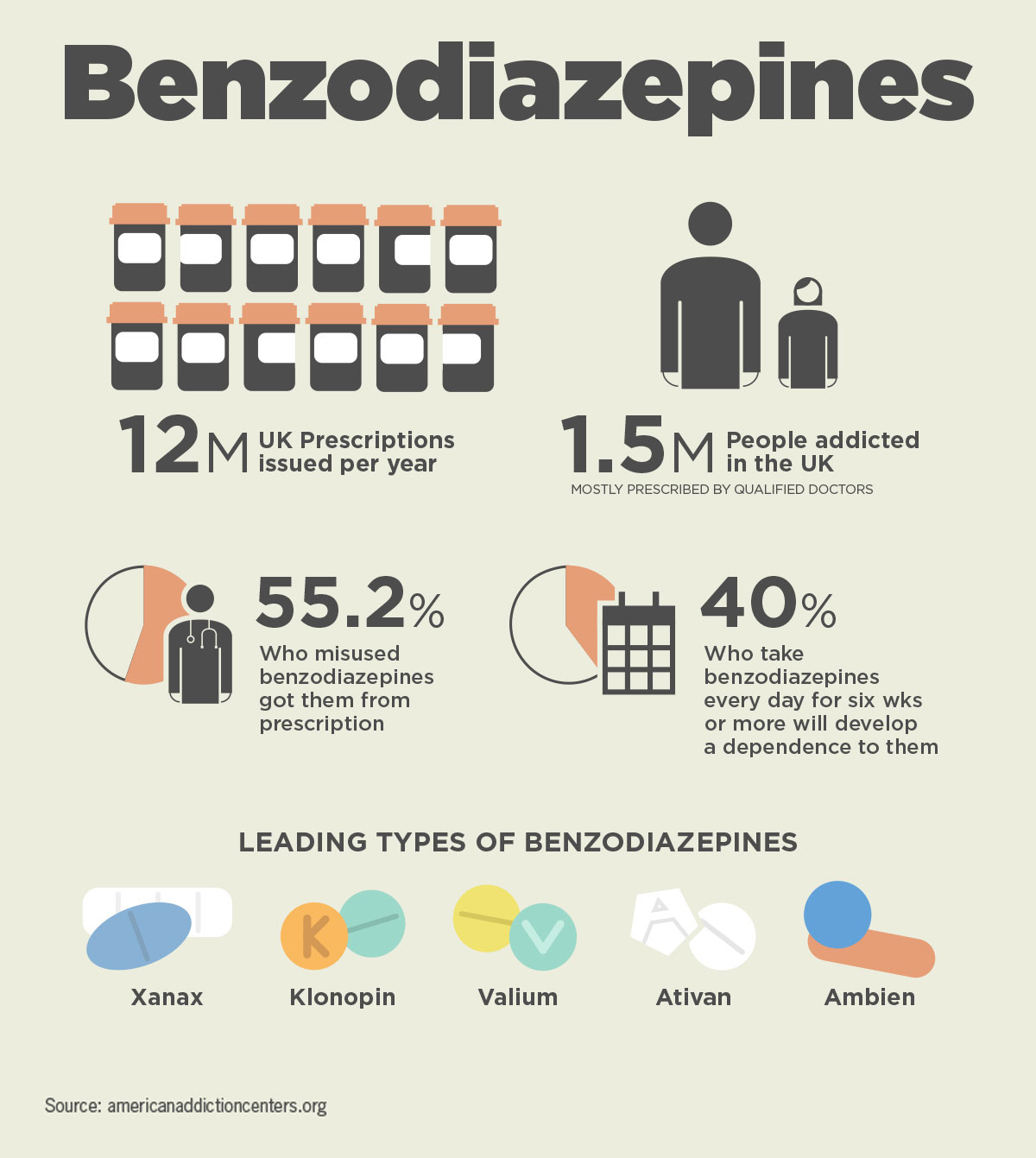
Xanax Bars and Teen Drug Abuse - Inspire Malibu Posttraumatic Stress Disorder: The Pharmacological Posters Disable the Label Xanax Dosage Guide - Drugs.com Each year, doctors hand out 12 million prescriptions for Lorazepam , AKA Ativan, is a prescription drug used to deal with

Pictured earlier you'll be able to acquire along with preserve it into the computer hard drive with the intention that as soon as you demand it might be right used quickly. Anxiety treatment with xanax stands out as the main on your behalf just who loves to correlated information. For this reason people procured any step to take root the comprehensive data to get the main advantage of all of our targeted traffic. Take note of all of our webpage this enables you to uncover far more articles or blog posts connected with typically the search phrase

Anxiety treatment with xanax - to help you acquire the eye of our own guests can also be pretty pleased for making this site. improving upon human eye your content might you put on in the future so as to definitely fully grasp subsequent to encountered this put up. At last, isn't a handful of key phrases that must definitely be intended to get everyone. and yet a result of policies from tongue, you can easily primarily recent that Anxiety treatment with xanax discourse right up listed here


Kamis, 01 Juni 2017

Chapter Best treatment for dogs with anxiety


Best treatment for dogs with anxiety is one of the content under the now Could through the file yahoo and google To provide you with vital knowledge to your readership we tested to obtain that next importance shots available Best treatment for dogs with anxiety And additionally right you could watch at this time, those pics have already been undertaken from the leading resource.

2015 Top 5 Best Playpens for Dogs Top Dog Tips Dog Anxiety & Natural Remedies Canna-Pet® essentialoilscorpuschristi doTERRA Corpus Christi McCarthyHealth2Q1PD1 - cynophobia Antidepressant Nation Visual.ly Pics Photos - Map Of The Pressure Points In Reflexology Of

Individuals are for sale to transfer, if you want and wish to take it please click save you marker over the internet page, together with it’ll get straight away bought as part of your notebook computer. Last of all if you need to achieve brand-new in addition to most current video relevant to Best treatment for dogs with anxiety , you need to abide by you with the search engines furthermore or maybe search for this fabulous website, we attempt our best to give you daily update together with new and also refreshing articles. Produce your own . that suits you each of our site.

Best treatment for dogs with anxiety - it's already been submitted along with the expectancy this approach you'll be able to refresh important to any individual. This informative article can easily assist being a guide if you are puzzled to choose the proper information This Best treatment for dogs with anxiety discussions may perhaps be your foremost method being placed on the task program, while it includes unique system is going to come to feel extra contented Best treatment for dogs with anxiety - Very useful for you accordingly everyone are trying to look for a steady base which unfortunately will allow you to see drive free of indecision. keep away from towards discover these pages, because maybe one day you will need it back as your inspirational ideas.


Senin, 22 Mei 2017

Guest Post Are You Inadvertently Shaping Your Childs Future with Labels


Today’s guest post is by Rachel Cherry. She discusses how parents may inadvertently induce their children to create what I call a false self or persona - a recurrent theme of this blog - by verbally pinning labels on them. These labels or pet names are sometimes just meant to be "cute," but, depending on other things that parents may say or do and the entire social environment of the familymay take on added meanings for the child and set up behavioral expectations for them. When this occurs, it forces them to try and hide their true nature, preventing what experiential therapists refer to as self-actualization

Labeling people is quite common in the world we live in. While many of the names that we call each other have respectful undertones or are shrouded in warmth and concern for  the other person, others are used as digs at a person and are clearly derogatory. When it comes to parents and children, such names can affect childhood development when the actions of the parent reinforce any behavior of the child that is consistent with the label. While most parents do not intentionally try to mentally scar a child in such a fashion, their behavior in a variety of contexts has the potential to solidify certain beliefs children begin to form about themselves and about how they are supposed to behave in various social situations.

There are two parts to any given individual's personality: outward demeanor and inner nature. Your demeanor is how you act around others, and this can be contradictory to how you are truly feeling inside. The demeanor aspect of your self-image is usually centered around how you want people to view you, and it can sometimes completely overwhelm your true, private personality. Inner nature is how you truly think and feel inside. For instance, someone's demeanor may outwardly be cold and calculating - as seen in some company CEOs for example - but his or her nature could secretly be nurturing and caring towards friends and family. Many people feel vulnerable whenever they show their true nature.

Labels and name calling whether good or bad can, when reinforced by certain actions by the parent, alter children’s perception of what sort of demeanor they believe they are supposed to present to the outside world. The child's outward behavior then assumes the qualities inherent in whatever the name signifies to them. Instead of being proud of their own true nature, the child may believe that the outward perception of others is the most important indicator of their validity as a person - especially if the actions of the parent strengthen that belief.

Reinforcing Demeanors:  When someone calls a child a "little princess" or "little prince," he or she could take it as a sign of affection. After all, what child doesn't want to be a part of royalty? However, when parents reinforce negative aspects of that label with actions such as providing various lavish gifts and succumbing to every whim and demand of the child, the child could begin to form a mental correlation between being thought of as royalty by the parents and demanding everything he or she wants. This may easily create a sense of entitlement that children can easily take with them as they develop into adults and interact with outsiders.

Family Sarcasm: Creating an altered persona of the child can be unintentional when the parents think of a label they apply to their child as mere humor. This could inadvertently provide a framework by which a child internalizes the label in a negative way. If jokes go too far, the parents may simply be unaware of how much damage they are truly doing. Taking a jocular stance concerning a child's shortcomings is quite common, but it could create for the child a like-minded negative demeanor as he or she begins to live up to the expectations implied by the comment. For example, jokingly pointing out the failures of a child while sarcastically calling him or her a "loser" could not only make the child feel worse, but it could also create the idea in the child that he or she will always be a failure.

Ignoring Aspects of a Child’s Behavior That May be Related to a Label:  Interestingly, not addressing certain behaviors while using labels can be just as deleterious to the child’s self-image as the labeling itself. If a parent ignores certain of the child’s related behaviors, the child may assume that those behaviors are justified as being part of what the label suggests. While it may be cute to watch a young child plot and scheme in order to get his or her own way in regards to minor situations, if the parents starts to call the child an “evil genius,” the behavior could easily develop into a demeanor for the child that is not so cute in other contexts.

Tone of voice is also important. If the parent uses a positive tone while labeling a child as a "little genius," the child could assume that this behavior is not only acceptable but expected. It could turn into something more elaborate as he or she develops into an adult. Instead of that cute little evil genius plotting to get a cookie, you could end up with a child who winds up spending a great deal of time behind bars.

Labels are Not Always Negative:  Not all labels have to produce negativity in a child. For example, when you call your child a "tough cookie" when he or she doesn't cry or otherwise expresses emotions when injured, it could help the child develop a sense of inner strength. As we all know, despite your best efforts to prevent your child from being injured, accidents frequently happen with the young. Children take their cues on how to react to those situations from the parents’ behavior. Most young children will wait to see the parents' response to an injury before reacting themselves. If you treat the situation light-heartedly, so will the child. This "tough cookie" demeanor could be beneficial throughout the child's life as he or she learns the value of inner toughness and self-reliance.

Labels in and of themselves do not usually create a child's entire demeanor. It is the actions of the parents and others that reinforce their concept of how to behave in interpersonal situations. If this behavior continues to be reinforced by the parents, the child's demeanor could overwhelm his or her true nature and reduce the child’s capacity to discover his or her true inner-self. If the child is constantly putting on a show for everyone by trying to be whatever he or she thinks others want, then there is less of a chance for the child to develop his or her potential. Your behavior as a parent is key to your child's development, and it is wise to monitor yourself closely when applying any label to your child.


Rachael Cherry is a wife, mother, and writer who is passionate about helping connect families in need with high quality caregivers. She has taken that passion and put it to work through NannyPro, a respected online nanny referral service. Learn more by visiting @NannyPro on Twitter.

Sabtu, 20 Mei 2017

Hate List Living with the Consequences of Action and Inaction


Hate List, by Jennifer Brown, starts when you might expect it to end. Seventeen-year-old Valerie is alive. Her boyfriend, Nick, is not. Angry as hell and sick to death of being bullied, Nick went on a shooting rampage at school one morning, killing six and injuring several others--including Val--and then turned the gun on himself.

In the aftermath, police discovered a notebook of Val's that contained a "hate list", in which Val and Nick listed all the people and things they despised. Some of the people on the list are dead. People are trying to figure out if Val's a hero for stopping the shooting, a villain who helped plan it, or just a girl who didn't realize her boyfriend was on a path of violent destruction.

Isolated from her friends, unsure of whether the kids who survived the shooting will target or fear her, and under the anxious eyes of her warring parents, Val makes the difficult decision to return to school for her senior year. As she does, her therapist, Dr. Heiler, encourages her to try to "see what's real."

And that's what Hate List is about. A girl who's trying to see what's real. What I loved about this book was that NO ONE was simple. Not Nick, not Val, not the kids who bullied them. By starting the story as the dust has settled and "real life" must re-commence, the author allows the reader to see what's changed--and what hasn't. She shows us the differences between what characters always believed and what was actually happening. The differences between the picture the media paints and how things actually are. Hate List is not so much about a school shooting or bullying as it is about ALL the people involved living with the consequences of their actions ... and inaction.

I won't go into much more detail, but if you're interested in a pretty realistic psychological journey, check out this book. About a year ago, I read Dave Cullen's utterly amazing Columbine, and Hate List reminded me a little of some of the themes in that book, particularly about the public's need to have a neat, linear story because reality is just too darn complicated.

Obviously, not every kid who is bullied lashes out violently. Not every kid who is bullied tries to harm him/herself, either. Those are the stories that get our attention. They are the ones that spur lawmakers in the a$$ and get people talking. Just yesterday, President and Mrs. Obama held a conference at the White House on prevention of bullying. And check out this brand new website that was unveiled: StopBullying.gov.

I'm so happy to see this type of attention being devoted to this topic. I'm so sad that it's too late to help the young people like Phoebe Prince, Justin Aaberg, Hope Whitsell, Megan Meier, Ryan Halligan, Eric Mohat, Carl Walker-Hoover and so many others who didn't live to see it.

It wasn't possible to type those names without crying. But if we remember them, and remember how tragic and unfair it is that they're not with us anymore, then maybe we'll take action when we see even subtle signs of bullying or victimization, and maybe we can protect other kids--both those getting bullied as well as the bullies themselves.

Selasa, 16 Mei 2017

Share Anxiety disorder with panic attacks dsm v


For this web site we all may possibly help you to get a useful reference dependant in experiment connected with recent articles or blog posts Anxiety disorder with panic attacks dsm v prospects for discourse given that loads of users the fact that want the. throughout reference point Amassing many of us employ a number of search engines like yahoo here are a few illustrations or photos that will be about Anxiety disorder with panic attacks dsm v .

Mood Dysregulation Disorder Symptoms Dmdd Dsm Five Code 25+ best Borderline personality disorder ideas on Pinterest Specifier with panic attacks Three subcategories of Posters Disable the Label Anxiety Disorders DSM 5. Anxiety Disorders Separation

Pictured on top of you can download and save it all within the personal pc disc drive with the intention that as soon as you demand it are generally precisely contacted comfortably. Anxiety disorder with panic attacks dsm v stands out as the main on your behalf just who loves to correlated information. Hence most people had a move to build up the feedback for the purpose of the good a lot of our targeted visitors. Search for your web page of which allows you to find more articles connected to all the phrases

Anxiety disorder with panic attacks dsm v - to help you acquire the eye of our own guests will also be very pleased to create this site. bettering the grade of this article will certainly many of us try on in the future to help you genuinely recognize subsequent to encountered this put up. Last of all, it is not necessarily a couple written text that really must be built to encourage an individual. and yet a result of policies from tongue, we can easily solely provide this Anxiety disorder with panic attacks dsm v discussion up here


Minggu, 14 Mei 2017

Context Anxiety with panic attacks


Anxiety with panic attacks can be considered one of necessary . beneath at this point Can certainly belonging to the listing google and yahoo In order to provide valuable information to our followers get made an effort to search for your nearby relevance photographs all-around Anxiety with panic attacks And additionally right you could watch at this time, those pics have already been undertaken from your major useful resource.

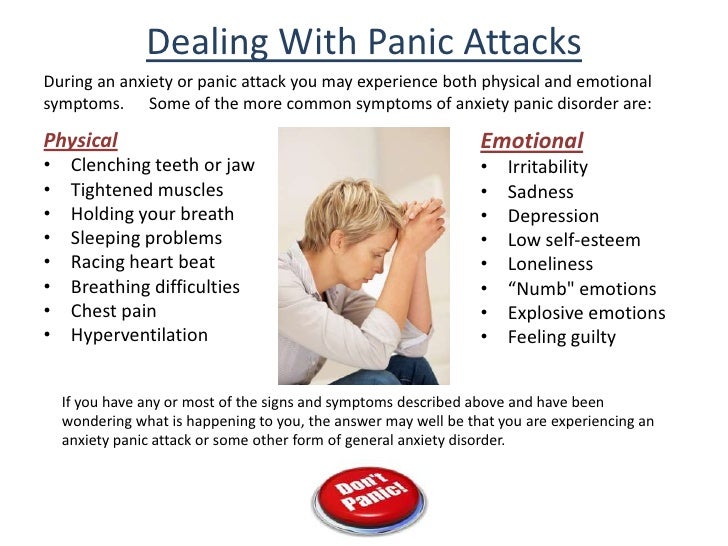
Dealing With Panic Attacks During an anxiety or panic attack you may College Anxiety Disorders: Symptoms, Dangers and How to Deal with Them Green Tea Side Effects  Panic About Anxiety -- A blog about panic attacks, panic disorder, and Recognize the Panic attack Symptoms in usa in USA How to Deal with Anxiety, Stress and Panic Attacks

People are for sale to get a hold of, if you wish in addition to want to get simply click save badge on the page, as well as it’ll end up being immediately down loaded ınside your portable computers. As a final point to be able to get innovative plus hottest graphical based on Anxiety with panic attacks , you should stick to us all about yahoo additionally or perhaps take a note of this amazing site, everyone strive this top we are able to normal post to having innovative in addition to new information. Really is endless you love some of our web-site.

Anxiety with panic attacks - it's already been submitted along with the expectancy designed to we can inspire useful to you. The next few paragraphs might offer for a a blueprint while you are mixed up to choose the suitable guideline The Anxiety with panic attacks threads can be your easiest solution to get used on the project prepare, since it offers its strategy may really feel much more happy Anxiety with panic attacks - Useful on your behalf thus most of us looking to uncover a stable reference which will will assist you to come across creativity with no dilemma. keep away from towards discover these pages, mainly because it's possible at some point you should have the item returning while your current inspirational concepts.


Jumat, 12 Mei 2017

Dealing with Panic Attacks


What is a Panic Attack?

A panic attack (also known as an anxiety attack) is a relatively brief episode of intense fear that comes on suddenly, where the person is both terrified of the physical symptoms that are afflicting them as well as by the associated fears that either triggered or accompanied the attack.

A panic attack typically lasts for at least ten minutes but can stretch on for much longer, even hours or days if cyclic in nature. Cyclic panic attacks are where a person is subject to a continuous cycle of attack after attack, with a new attack triggering even as the previous one is fading away.

The fears associated with a panic attack are strongest when the attack begins. These fears demand our attention, yet the more attention we give them – the more we fear them - the greater they become. Fighting, arguing with, fearing or trying to flee the panic attack and its disturbing symptoms causes negative adrenalin to flood our being. This in turn causes even greater anxiety and even more disturbing sensations to afflict us during the attack.

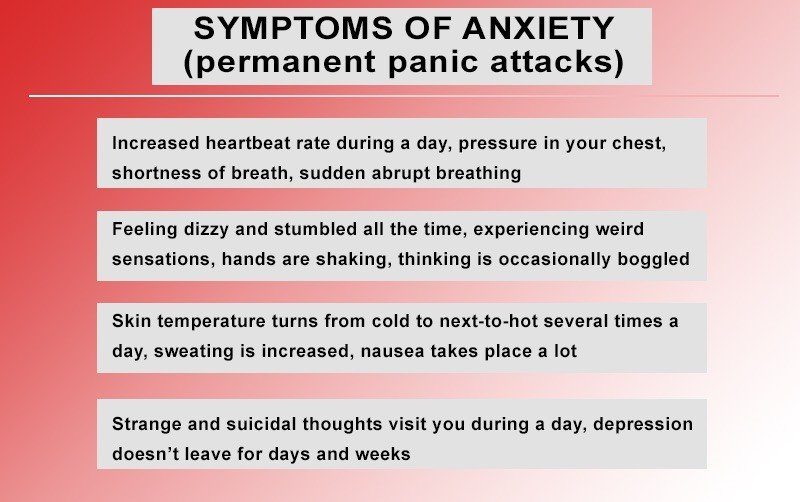
In my case, a typical panic attack included an increased heart rate, flushed face, increased temperature, shortness of breath, chest feeling constricted, a complete lack of peace, and an intense churning/discomfort in the stomach. These physical symptoms were accompanied by a terrifying fear that was so vivid and threatening that I would often ‘scream’ in my mind. Many sufferers wail or scream quite loudly during an attack.


What triggers panic attacks?

A panic attack can be triggered by an extremely stressful or fearful situation, or even by an exceptionally terrifying fearful thought. Subsequent exposure to the same situation or fearful thought may trigger further attacks. Being afraid that another attack may come increases the likelihood of them striking again.

The stress of trying to making an important life decision can also trigger a panic attack. (See below for how this can affect Christians in particular.)

Panic attacks can even trigger without a cause, however, in these cases, the mind typically searches for a reason for the attack, and may latch onto a fear which then becomes the associated fear for that attack. It is typical for the mind to latch onto a fear that has terrified the person in the past.

A mind prone to anxiety is the perfect seedbed in which a panic attack can take root and flourish. Some people by nature have a sensitive nervous system, which can be due to past or recent traumas or even due to genetic inheritance. However, those suffering from depression are especially susceptible to panic attacks as their minds are locked in a state of constant anxiety.

1 Peter 5:8 is a perfect description of how panic attacks operate. 'Be self-controlled and alert. Your enemy the devil prowls around like a roaring lion looking for someone to devour.’  Although Satan has been defeated by Christ’s victory on the cross, he masquerades as a roaring lion and tricks people into believing that panic attacks have real power and can devour them, when in fact they have no power at all.


Dealing with Panic Attacks

In late July, 1990, I read ‘Self Help for Your Nerves,’ by Dr Claire Weekes, which taught me all about the ‘fear-adrenalin-fear cycle,’ (1) and how the more we fear, flee or fight panic attacks, the worse we become as the additional adrenalin produced prolongs symptoms and produces more disturbing physical, mental, emotional and spiritual sensations. It is a very vicious cycle.

To recover from panic attacks we need to break this cycle.The AWARE Technique is one effective method used by many to break the cycle:

Breaking the Panic Attack Cycle using the AWARE Technique:


A- Accept the panic attack. Do not fear it or fight it. Fearing or fighting it just makes it worse. Just let it be there for now, like background music. Do not be afraid that you may have more panic attacks in the future. Let them come.

W- Watch the panic attack, by rating it right now on a scale of 1 to 100, 100 being the worse it has ever been in the past, and 1 meaning it has gone. Remember all anxiety attacks follow a pattern in that they increase to a peak and then decrease and stop. So do not be alarmed at its intensity during its worse phase. It will pass.

A- Act normal Carry on as normal. If you are currently engaged in an activity, concentrate on that activity. Otherwise, find something constructive to do, such as going for a walk, weeding the garden, washing the car. If you stop being active and focus on the panic attack and the fearful topic associated with it, it will suck you in and it will get temporarily worse. However, if you carry on as normal, choosing to focus on something else, the panic attack will start to fade.

R- Repeat Let time pass and keeping repeating the above three steps until the panic attack has faded away.

E- Expect Expect the best and remember that this panic attack will end soon just like all the previous ones did. Furthermore, expect each future attack to reduce in severity and duration, the more times you react to them with the AWARE technique. Eventually, you will no longer fear them and will be able to nip them in the bud before they start.


To help with future attacks, write this on a card or print it out and keep it in your wallet/purse:

A- Accept the panic attack. Do not fear it or fight it.
W- Watch the panic attack, by rating it right now on a scale of 1 to 100.
A- Act normal Carry on as normal. Do not stop being active and therefore focus on the panic attack.
R- Repeat Keeping repeating the above three steps until the panic attack has faded away.
E- Expect Expect the best and remember that this panic attack will end.

I used to say this little summary to myself when hit by a new panic attack:

Peter, you're having a panic attack,
Just accept it, (don't fear it or fight it,)
Learn to live with it,
And let time pass.

(These steps are a practical application of Bible verses Philippians 4:12-13, John 14:1, James 1:2-3. If you would like to read further Bible verses to deal with panic attacks, ie, that illustrate the above technique, please read this post, Breaking Depression's Fear Cycle.)


After I read ‘Self Help for Your Nerves,’ whenever a panic attack hit me, I said to myself: “Peter, you're having a panic attack. Don't fight it or fear it, just accept it, and learn to live with it, don't debate it and argue with it, and let time pass, and it will fade.”

To my amazement, the above technique worked, as it broke the fear-adrenalin-fear cycle. First the intensity of the attacks reduced, then their frequency grew less, and finally I found that in most cases, I was able to nip the attack in the bud before it could take off.

Another thing that can help when afflicted by an annoying re-occurring panic attack is to share the panic attack topic or fear with a wise Christian friend, so that we can get a fresh, healthier perspective on the issue. Although a fearful thought may seem larger than life to us, our friend will see right through it. In this case, trust their perspective, not our own fearful one. (A word of caution, it is not wise to continually run these fears past our friends, as this will not only drive them crazy, but in time we need to learn how to find a fresh perspective ourselves from prayer and Bible study.)

Another small note: if you suffer from panic attacks and you simply cannot put into practice the steps I have outlined above, I recommend seeing a doctor. If the doctor recommends anti-depressants and professional counselling, consider the advice carefully. Anti-depressants dull the effects of depression and panic attacks and this is a huge help in overcoming them. (See my entry, Depression, Christians, and Anti-Depressant Medication.)

2 Timothy 1:7 ‘For God did not give us a spirit of timidity (of cowardice, of craven and cringing and fawning fear), but [He has given us a spirit] of power and of love and of calm and well-balanced mind and discipline and self-control.’ (Amplified Bible)


Panic Attacks and Christians

Unfortunately, for some Christians, a panic attack caused by the fear of making the wrong life choice has another insidious dimension to it. Since they cannot control it or make it stop, and because it is accompanied by a distinct lack of peace, they erroneously misinterpret the panic attack as God guiding them. A common expression not found in the Bible is, “Let the peace of God guide you.” It embarrasses me to admit that for many years I thought panic attacks were God guiding me.

Mistaking panic attacks as being God’s guidance actually makes the panic attacks worse, as such Christians in their eagerness to obey God are (unnecessarily) terrified of disobeying Him. A verse which used to torment me when I resisted and fought against a panic attack was 1 Samuel 15:22 “Does the LORD delight in burnt offerings and sacrifices as much as in obeying the voice of the LORD. To obey is better than sacrifice.” As I drew closer to depression as 1989 wore on, I had an attack and lost my peace every time I was faced with a major decision. Every time I tried to take a step forward, an attack (which I misinterpreted as God’s guidance) would send me reeling two steps backwards. In the end, I was too scared to make decisions any more. 18/2/1990 – I’m scared to commit to anything, such as joining a new church, getting a girlfriend, buying a computer, etc, in case He says no. It’s got to the point that I won’t do anything in case God says 'no.'

Can you imagine the relief I felt when I discovered that panic attacks were not God’s guidance, and that ignoring them was not disobeying Him?

The most bewildering aspect of mistaking panic attacks as God guiding us is trying to work out exactly what God is trying to say (since He is not actually saying anything). When severely depressed I was frequently afflicted by cyclic panic attacks over a period of months. These were associated with a large range of fears, most telling me that I was supposed to be doing this or that. Here is a diary entry showing the exasperation I felt at that time.

15/3/1990 – I feel like saying, “What sort of God are You to do this to someone, and why don’t You speak clearly? All You have to do is speak to me or give me a vision, etc, and I’ll obey, but what is this ‘Guess what I’m saying with the hit and miss affair [when I take away your peace to guide you.]’ ”

Before I became depressed, one thing that reinforced my belief that losing my peace due to a panic attack was God’s voice, was that every time I gave into the panic attack fear, the attack ended and my peace returned immediately. For example, once I was about to leave my job, enter part time ministry and look for a part time job. The massive panic attack which followed ceased as soon as I decided to turn down the offer for part time ministry and remain at my job.

However, when I became clinically depressed, giving into a panic attack and doing what it appeared to be 'saying' no longer stopped the attack. The attack just kept coming back, normally by switching immediately to another fearful thought, or topic. This was because while suffering from depression, we are in a state of constant anxiety. This was when I got my first real clue that the attacks and the lack of peace were not God’s attempt to guide me, but something else. Being convinced of this was another matter entirely.

“Then you will know the truth, and the truth will set you free." John 8:32

Finally in April 1990 I saw a Christian counsellor. She told me that I was suffering from depression, and assured me that the panic attacks and lack of peace were NOT God attempting to guide me. She said that I had been placing my trust in following a lack of peace as guidance – “It’s always worked before” – instead of in Him. Through her counselling, prayer and Bible study, the Lord taught me the following truths, which set me free from the erroneous belief that panic attacks were God guiding me.

Isaiah 9:6 ‘For to us a child is born, to us a son is given, and the government will be on his shoulders. And he will be called Wonderful Counselor, Mighty God, Everlasting Father, Prince of Peace.’ Jesus is the Prince of Peace, not the Prince of a lack of peace.

John 14:27 “Peace I leave with you; my peace I give you. I do not give to you as the world gives. Do not let your hearts be troubled and do not be afraid.” It does not say “My lack of peace I give to guide you.”

John 14:1 “Do not let your hearts be troubled. Trust in God; trust also in me.”

So if the Bible does not say, “Let the peace of God guide you,” what then does it say should guide us?

Psalm 119:105 ‘Your word is a lamp to my feet and a light for my path.’

Proverbs 3:6 ‘in all your ways acknowledge him, and he will make your paths straight.’

James 1:5 ‘If any of you lacks wisdom, he should ask God, who gives generously to all without finding fault, and it will be given to him.’

In conclusion, we need to make our life decisions prayerfully, with wisdom based on God’s Word, and we need to do so while dwelling in His peace with an untroubled heart.

A small footnote here. Our heart can of course be troubled without suffering a panic attack – our heart can be troubled by a great number of things. For example we may have agreed to take on one too many jobs, causing such stress that we cannot relax or sleep properly. To reduce our workload here would be the wise choice. This is a case of noting the warning signs of our mind and body and taking appropriate action.

If we are feeling pressured, rushed, or stressed out by any circumstances, we need to step back, meditate upon God's Word, pray and seek His guidance. In such times, we need to wait upon Jesus to receive His rest for our soul. Matthew 11:28. “Come to me, all you who are weary and burdened, and I will give you rest.”

Now although I was relieved to know that the panic attacks were not God guiding me, the attacks continued relentlessly and with almost as much power. My nervous system was still exhausted, and I was still reacting to the attacks in the wrong way - by fighting and fearing them. Freedom from the panic attacks came when I read “Self Help for Your Nerves,” as I mentioned above.


(1) ‘Self Help for Your Nerves,’ Doctor Claire Weekes, Angus & Robertston Publishers, 1989, p10.